Redmi K100 Pro Max vs Samsung Galaxy Z TriFold
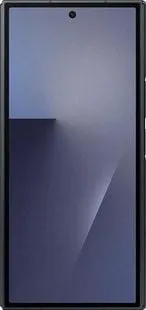
The Redmi K100 Pro Max (2026) runs on the Snapdragon 8 Elite Gen 5, while the Samsung Galaxy Z TriFold (2025) runs on the Qualcomm Snapdragon 8 Elite; launch prices were $730 and $2899. By overall MobileRank rating, the Redmi K100 Pro Max leads — 93/100 vs 69/100 (a 24-point difference). Key differences: the Redmi K100 Pro Max has the bigger battery (9070 mAh vs 5600); the Redmi K100 Pro Max is faster in AnTuTu (3,722,803 vs 2,926,532).
Profile comparison
Category scores
Redmi K100 Pro Max
Samsung Galaxy Z TriFold
What makes Redmi K100 Pro Max better?
- Higher AnTuTu: 3722803 vs 2926532
- Better Geekbench Single: 3639 vs 3013
- Better Geekbench Multi: 11047 vs 9287
- Bigger battery: 9070 vs 5600 mAh
- Faster charging: 100W vs 45W
- Higher refresh rate: 185Hz vs 120Hz
- Faster wireless charging: 50W vs 15W
- Cheaper at launch: $730 vs $2899
- Higher performance (97/100 vs 90/100)
- Better camera (90/100 vs 52/100)
- Longer battery life (95/100 vs 63/100)
- Better display (91/100 vs 70/100)
What makes Samsung Galaxy Z TriFold better?
- Overall rating 69/100
Comparison verdict
Comparing the Redmi K100 Pro Max vs the Samsung Galaxy Z TriFold, the Redmi K100 Pro Max scores 24 points higher (93/100 vs 69/100). In the "camera" category, the Redmi K100 Pro Max leads (90/100 vs 52/100). In the "battery" category, the Redmi K100 Pro Max leads (95/100 vs 63/100). Value score: Redmi K100 Pro Max — 100/100, Samsung Galaxy Z TriFold — 46/100; it shows how far a model sits above or below the usual level for its price, and is not part of the overall rating. In the "performance" category, the Redmi K100 Pro Max is a bit better (97/100 vs 90/100). In the "display" category, the Redmi K100 Pro Max notably outperforms the Samsung Galaxy Z TriFold (91/100 vs 70/100). In the "camera" category, the Redmi K100 Pro Max significantly outperforms the Samsung Galaxy Z TriFold (90/100 vs 52/100). In the "battery" category, the Redmi K100 Pro Max significantly outperforms the Samsung Galaxy Z TriFold (95/100 vs 63/100).
Specs comparison
| Specification | Redmi K100 Pro Max | Samsung Galaxy Z TriFold | |
|---|---|---|---|
| Processor | Snapdragon 8 Elite Gen 5 | Qualcomm Snapdragon 8 Elite | |
| AnTuTu | 3722803 | 2926532 | |
| Geekbench Single | 3639 | 3013 | |
| Geekbench Multi | 11047 | 9287 | |
| Display | 6.9" AMOLED | 10.0" Dynamic AMOLED 2X | |
| Resolution | 1200x2608 | 2160x1584 | |
| Refresh rate | 185 Hz | 120 Hz | |
| Battery | 9070 mAh | 5600 mAh | |
| Charging | 100W | 45W | |
| Wireless charging | 50W | 15W | |
| Main camera | 200 MP | 200 MP | |
| Ultrawide | 50 MP | 12 MP | |
| Telephoto | 50 MP | 10 MP | |
| Front camera | 32 MP | 10 MP | |
| RAM | 12GB / 16GB | 16GB | |
| Storage | 256GB / 512GB / 1TB | 512GB | |
| OS | Android 16 | Android 16 / One UI 8 | |
| Brightness (peak) | 4500 nits | 2600 nits | |
| NFC | yes | yes | |
| Protection | IP69 | IP48 | |
| Dimensions | — | 159.2×75.0×12.9 mm | |
| Weight | — | 309 g | |
| Launch price | $730 | $2899 |
Camera comparison
Redmi K100 Pro Max
- Main: 200MP f/1.9
- Ultrawide: 50MP
- Telephoto: 50MP
- Front: 32MP
Samsung Galaxy Z TriFold
- Main: 200MP f/1.7
- Ultrawide: 12MP
- Telephoto: 10MP
- Front: 10MP
Display comparison
Redmi K100 Pro Max
- 6.9" AMOLED
- Resolution: 1200x2608
- Refresh rate: 185 Hz
Samsung Galaxy Z TriFold
- 10.0" Dynamic AMOLED 2X
- Resolution: 2160x1584
- Refresh rate: 120 Hz
Battery and charging
Redmi K100 Pro Max
- 9070 mAh
- Wired: 100W
- Wireless: 50W
Samsung Galaxy Z TriFold
- 5600 mAh
- Wired: 45W
- Wireless: 15W
Overall performance score
We compared Redmi K100 Pro Max and Samsung Galaxy Z TriFold, covering their specs and all relevant benchmarks.
Redmi K100 Pro Max leads Samsung Galaxy Z TriFold by 27.2% in our overall performance rating.
Benchmarks
Launch prices and where to check today's
Launch price difference: $2169. Redmi K100 Pro Max was $2169 cheaper at launch.
Detailed category analysis
performance
In the "performance" category, the Redmi K100 Pro Max is a bit better (97/100 vs 90/100).
display
In the "display" category, the Redmi K100 Pro Max notably outperforms the Samsung Galaxy Z TriFold (91/100 vs 70/100).
camera
In the "camera" category, the Redmi K100 Pro Max significantly outperforms the Samsung Galaxy Z TriFold (90/100 vs 52/100).
battery
In the "battery" category, the Redmi K100 Pro Max significantly outperforms the Samsung Galaxy Z TriFold (95/100 vs 63/100).
Frequently asked questions
Which is better: the Redmi K100 Pro Max or the Samsung Galaxy Z TriFold?
The Redmi K100 Pro Max significantly outperforms the Samsung Galaxy Z TriFold by 24 points (93/100 vs 69/100).
What is the rating of the Redmi K100 Pro Max and the Samsung Galaxy Z TriFold?
The Redmi K100 Pro Max has a MobileRank rating of 93/100, the Samsung Galaxy Z TriFold — 69/100.
Which has the better camera: the Redmi K100 Pro Max or the Samsung Galaxy Z TriFold?
The Redmi K100 Pro Max leads on camera score (90/100 vs 52/100).
Which is more powerful: the Redmi K100 Pro Max or the Samsung Galaxy Z TriFold?
The Redmi K100 Pro Max leads on performance (97/100 vs 90/100).
Should you choose the Redmi K100 Pro Max over the Samsung Galaxy Z TriFold?
The Redmi K100 Pro Max is a better fit for gamers and power users, mobile photography enthusiasts, those who care about battery life, budget-conscious buyers. The Samsung Galaxy Z TriFold is a better fit for gamers and power users.