Motorola Moto G (2023) vs Xiaomi 17 Pro Max
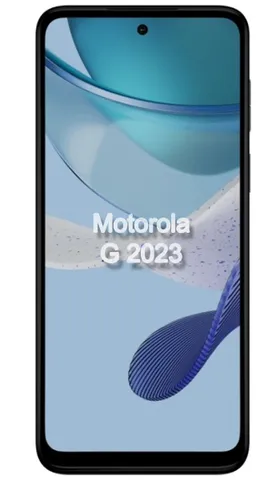

The Motorola Moto G (2023) (2023) runs on the Qualcomm Snapdragon 480+ 5G, while the Xiaomi 17 Pro Max (2025) runs on the Qualcomm Snapdragon 8 Elite Gen 5. By overall MobileRank rating, the Xiaomi 17 Pro Max leads — 88/100 vs 41/100 (a 47-point difference). Key differences: the Xiaomi 17 Pro Max has the bigger battery (7500 mAh vs 5000); the main camera is 48 MP vs 50 MP; the Xiaomi 17 Pro Max is faster in AnTuTu (3,998,145 vs 477,542); the Xiaomi 17 Pro Max has NFC for contactless payments, the Motorola Moto G (2023) doesn't; the Motorola Moto G (2023) is noticeably lighter (189g vs 219g).
Profile comparison
Category scores
Motorola Moto G (2023)
Xiaomi 17 Pro Max
What makes Motorola Moto G (2023) better?
- Lighter: 189g vs 219g
- Better portability (61/100 vs 48/100)
What makes Xiaomi 17 Pro Max better?
- Higher AnTuTu: 3998145 vs 477542
- Better Geekbench Single: 3639 vs 746
- Better Geekbench Multi: 11047 vs 1816
- Bigger battery: 7500 vs 5000 mAh
- Faster charging: 100W vs 15W
- Better main camera: 50MP vs 48MP
- Higher performance (98/100 vs 41/100)
- Better camera (87/100 vs 29/100)
- Longer battery life (89/100 vs 43/100)
- Better display (81/100 vs 56/100)
Comparison verdict
Comparing the Motorola Moto G (2023) vs the Xiaomi 17 Pro Max, the Xiaomi 17 Pro Max scores 47 points higher (88/100 vs 41/100). In the "performance" category, the Xiaomi 17 Pro Max leads (98/100 vs 41/100). In the "camera" category, the Xiaomi 17 Pro Max leads (87/100 vs 29/100). In the "battery" category, the Xiaomi 17 Pro Max leads (89/100 vs 43/100). In the "performance" category, the Xiaomi 17 Pro Max significantly outperforms the Motorola Moto G (2023) (98/100 vs 41/100). In the "display" category, the Xiaomi 17 Pro Max notably outperforms the Motorola Moto G (2023) (81/100 vs 56/100). In the "camera" category, the Xiaomi 17 Pro Max significantly outperforms the Motorola Moto G (2023) (87/100 vs 29/100). In the "battery" category, the Xiaomi 17 Pro Max significantly outperforms the Motorola Moto G (2023) (89/100 vs 43/100). In the "portability" category, the Motorola Moto G (2023) is a bit better (61/100 vs 48/100).
Specs comparison
| Specification | Motorola Moto G (2023) | Xiaomi 17 Pro Max | |
|---|---|---|---|
| Processor | Qualcomm Snapdragon 480+ 5G | Qualcomm Snapdragon 8 Elite Gen 5 | |
| AnTuTu | 477542 | 3998145 | |
| Geekbench Single | 746 | 3639 | |
| Geekbench Multi | 1816 | 11047 | |
| Display | 6.5" IPS LCD | 6.9" LTPO AMOLED | |
| Resolution | 720x1600 | 1200x2608 | |
| Refresh rate | 120 Hz | 120 Hz | |
| Battery | 5000 mAh | 7500 mAh | |
| Charging | 15W | 100W | |
| Wireless charging | 0W | 50W | |
| DXOMark (camera) | — | 159 | |
| Main camera | 48 MP | 50 MP | |
| Ultrawide | 0 MP | 50 MP | |
| Telephoto | 0 MP | 50 MP | |
| Front camera | 8 MP | 50 MP | |
| RAM | 4GB | 12GB / 16GB | |
| Storage | 64GB / 128GB | 512GB / 1TB | |
| OS | Android 13, planned upgrade to Android 14 | Android 16 | |
| Brightness (peak) | — | 3500 nits | |
| NFC | no | yes | |
| Protection | — | IP68 | |
| Dimensions | 164.0×75.0×8.4 mm | 162.9×77.6×8.0 mm | |
| Weight | 189 g | 219 g | |
| Launch price | — | $999 |
Camera comparison
Motorola Moto G (2023)
- Main: 48MP f/1.7
- Front: 8MP
Xiaomi 17 Pro Max
- Main: 50MP f/1.69
- Ultrawide: 50MP
- Telephoto: 50MP
- Front: 50MP
Display comparison
Motorola Moto G (2023)
- 6.5" IPS LCD
- Resolution: 720x1600
- Refresh rate: 120 Hz
Xiaomi 17 Pro Max
- 6.9" LTPO AMOLED
- Resolution: 1200x2608
- Refresh rate: 120 Hz
Battery and charging
Motorola Moto G (2023)
- 5000 mAh
- Wired: 15W
- No wireless charging
Xiaomi 17 Pro Max
- 7500 mAh
- NanoReview test: web browsing 16:28 hrs, total 36:26 hrs
- Wired: 100W
- Wireless: 50W
Overall performance score
We compared Motorola Moto G (2023) and Xiaomi 17 Pro Max, covering their specs and all relevant benchmarks.
Xiaomi 17 Pro Max leads Motorola Moto G (2023) by 88.1% in our overall performance rating.
Benchmarks
Launch prices and where to check today's
Motorola Moto G (2023)
Price unknownDetailed category analysis
performance
In the "performance" category, the Xiaomi 17 Pro Max significantly outperforms the Motorola Moto G (2023) (98/100 vs 41/100).
display
In the "display" category, the Xiaomi 17 Pro Max notably outperforms the Motorola Moto G (2023) (81/100 vs 56/100).
camera
In the "camera" category, the Xiaomi 17 Pro Max significantly outperforms the Motorola Moto G (2023) (87/100 vs 29/100).
battery
In the "battery" category, the Xiaomi 17 Pro Max significantly outperforms the Motorola Moto G (2023) (89/100 vs 43/100).
portability
In the "portability" category, the Motorola Moto G (2023) is a bit better (61/100 vs 48/100).
Frequently asked questions
Which is better: the Motorola Moto G (2023) or the Xiaomi 17 Pro Max?
The Xiaomi 17 Pro Max significantly outperforms the Motorola Moto G (2023) by 47 points (88/100 vs 41/100).
What is the rating of the Motorola Moto G (2023) and the Xiaomi 17 Pro Max?
The Motorola Moto G (2023) has a MobileRank rating of 41/100, the Xiaomi 17 Pro Max — 88/100.
Which has the better camera: the Motorola Moto G (2023) or the Xiaomi 17 Pro Max?
The Xiaomi 17 Pro Max leads on camera score (87/100 vs 29/100).
Which is more powerful: the Motorola Moto G (2023) or the Xiaomi 17 Pro Max?
The Xiaomi 17 Pro Max leads on performance (98/100 vs 41/100).
Should you choose the Motorola Moto G (2023) over the Xiaomi 17 Pro Max?
The Xiaomi 17 Pro Max is a better fit for gamers and power users, mobile photography enthusiasts, those who care about battery life, budget-conscious buyers.