Redmi Note 8T vs Vivo Y70
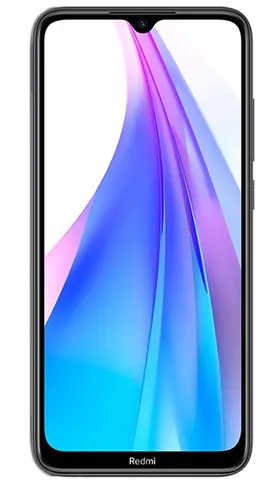

The Redmi Note 8T (2019) runs on the Qualcomm Snapdragon 665, while the Vivo Y70 (2020) runs on the Qualcomm Snapdragon 665. By overall MobileRank rating, the Vivo Y70 leads — 37/100 vs 28/100 (a 9-point difference). Key differences: the Vivo Y70 has the bigger battery (4100 mAh vs 4000); the Vivo Y70 is noticeably lighter (171g vs 190g).
Profile comparison
Category scores
Redmi Note 8T
Vivo Y70
What makes Redmi Note 8T better?
- Overall rating 28/100
What makes Vivo Y70 better?
- Bigger battery: 4100 vs 4000 mAh
- Lighter: 171g vs 190g
- Better camera (31/100 vs 30/100)
- Longer battery life (27/100 vs 25/100)
- Better display (84/100 vs 32/100)
- Better portability (78/100 vs 59/100)
Comparison verdict
Comparing the Redmi Note 8T vs the Vivo Y70, the Vivo Y70 scores 9 points higher (37/100 vs 28/100). In the "performance" category, both devices are on the same level — 24/100. In the "display" category, the Vivo Y70 significantly outperforms the Redmi Note 8T (84/100 vs 32/100). In the "camera" category, the Vivo Y70 and the Redmi Note 8T are nearly equal (31/100 vs 30/100). In the "battery" category, the Vivo Y70 and the Redmi Note 8T are nearly equal (27/100 vs 25/100). In the "portability" category, the Vivo Y70 notably outperforms the Redmi Note 8T (78/100 vs 59/100).
Specs comparison
| Specification | Redmi Note 8T | Vivo Y70 | |
|---|---|---|---|
| Processor | Qualcomm Snapdragon 665 | Qualcomm Snapdragon 665 | |
| AnTuTu | 329457 | 329457 | |
| Geekbench Single | 321 | 321 | |
| Geekbench Multi | 1128 | 1128 | |
| Display | 6.3" IPS LCD | 6.4" AMOLED | |
| Resolution | — | 1080x2400 | |
| Refresh rate | 60 Hz | — | |
| Battery | 4000 mAh | 4100 mAh | |
| Charging | — | 33W | |
| Main camera | 48 MP | 48 MP | |
| Front camera | 13 MP | 16 MP | |
| RAM | 4GB | 8GB | |
| Storage | 64GB / 128GB | 128GB | |
| OS | — | Android 10, Funtouch 11 | |
| NFC | yes | yes | |
| Dimensions | 161.1×75.4×8.6 mm | 161.0×74.1×7.8 mm | |
| Weight | 190 g | 171 g | |
| Launch price | $200 | — |
Camera comparison
Redmi Note 8T
- Main: 48MP
- Front: 13MP
Vivo Y70
- Main: 48MP f/1.8
- Front: 16MP
Display comparison
Redmi Note 8T
- 6.3" IPS LCD
- Refresh rate: 60 Hz
Vivo Y70
- 6.4" AMOLED
- Resolution: 1080x2400
- Refresh rate: —
Battery and charging
Redmi Note 8T
- 4000 mAh
- No wireless charging
Vivo Y70
- 4100 mAh
- Wired: 33W
- No wireless charging
Overall performance score
We compared Redmi Note 8T and Vivo Y70, covering their specs and all relevant benchmarks.
Equal performance based on benchmark results.
Benchmarks
Launch prices and where to check today's
Vivo Y70
Price unknownDetailed category analysis
performance
In the "performance" category, both devices are on the same level — 24/100.
display
In the "display" category, the Vivo Y70 significantly outperforms the Redmi Note 8T (84/100 vs 32/100).
camera
In the "camera" category, the Vivo Y70 and the Redmi Note 8T are nearly equal (31/100 vs 30/100).
battery
In the "battery" category, the Vivo Y70 and the Redmi Note 8T are nearly equal (27/100 vs 25/100).
portability
In the "portability" category, the Vivo Y70 notably outperforms the Redmi Note 8T (78/100 vs 59/100).
Frequently asked questions
Which is better: the Redmi Note 8T or the Vivo Y70?
The Vivo Y70 edges out the Redmi Note 8T by just 9 points — the two devices are very close in overall level.
What is the rating of the Redmi Note 8T and the Vivo Y70?
The Redmi Note 8T has a MobileRank rating of 28/100, the Vivo Y70 — 37/100.
Should you choose the Redmi Note 8T over the Vivo Y70?
Neither model stands out enough to recommend it for a specific use case: the clearest difference is display — better on the Vivo Y70 (84/100 vs 32/100).