Poco X8 Pro vs ZTE Blade V60 Design
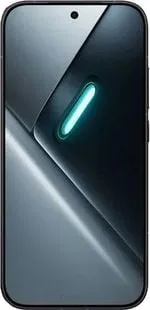
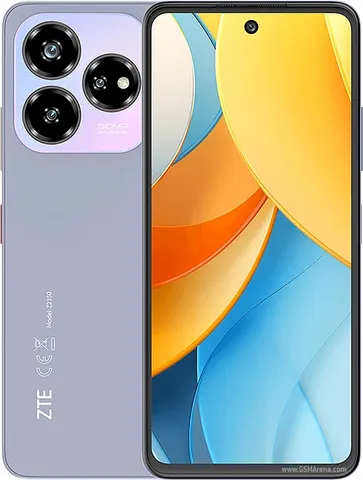
The Poco X8 Pro (2026) runs on the MediaTek Dimensity 8500 Ultra, while the ZTE Blade V60 Design (2024) runs on the Unisoc T606. By overall MobileRank rating, the Poco X8 Pro leads — 64/100 vs 33/100 (a 31-point difference). Key differences: the Poco X8 Pro has the bigger battery (6000 mAh vs 5000); the Poco X8 Pro is faster in AnTuTu (1,982,033 vs 330,006).
Poco X8 Pro
ZTE Blade V60 Design
- Higher AnTuTu: 1982033 vs 330006
- Better Geekbench Single: 1553 vs 378
- Better Geekbench Multi: 6403 vs 1335
- Bigger battery: 6000 vs 5000 mAh
- Faster charging: 100W vs 5W
- Higher refresh rate: 120Hz vs 90Hz
- Higher performance (76/100 vs 27/100)
- Better camera (37/100 vs 30/100)
- Longer battery life (68/100 vs 43/100)
- Better display (83/100 vs 44/100)
- Overall rating 33/100
Comparing the Poco X8 Pro vs the ZTE Blade V60 Design, the Poco X8 Pro scores 31 points higher (64/100 vs 33/100). In the "performance" category, the Poco X8 Pro leads (76/100 vs 27/100). In the "battery" category, the Poco X8 Pro leads (68/100 vs 43/100). In the "performance" category, the Poco X8 Pro significantly outperforms the ZTE Blade V60 Design (76/100 vs 27/100). In the "display" category, the Poco X8 Pro significantly outperforms the ZTE Blade V60 Design (83/100 vs 44/100). In the "camera" category, the Poco X8 Pro is a bit better (37/100 vs 30/100). In the "battery" category, the Poco X8 Pro notably outperforms the ZTE Blade V60 Design (68/100 vs 43/100).
| Specification | Poco X8 Pro | ZTE Blade V60 Design | |
|---|---|---|---|
| Processor | MediaTek Dimensity 8500 Ultra | Unisoc T606 | |
| AnTuTu | 1982033 | 330006 | |
| Geekbench Single | 1553 | 378 | |
| Geekbench Multi | 6403 | 1335 | |
| Display | 6.7" AMOLED | 6.6" IPS LCD | |
| Resolution | 2712x1220 | 720x1612 | |
| Refresh rate | 120 Hz | 90 Hz | |
| Battery | 6000 mAh | 5000 mAh | |
| Charging | 100W | 5W | |
| Main camera | 50 MP | 50 MP | |
| Ultrawide | 8 MP | 0 MP | |
| Front camera | 20 MP | 8 MP | |
| RAM | 8GB / 12GB | 4GB / 6GB | |
| Storage | 128GB / 256GB / 512GB | 256GB | |
| OS | Android 16 | Android 13 | |
| Brightness (peak) | 3500 nits | — | |
| NFC | yes | yes | |
| Protection | IP68 | — | |
| Dimensions | 157.5×75.2×8.4 mm | — | |
| Weight | 196 g | — | |
| Launch price | $350 | — |
Poco X8 Pro
- Main: 50MP f/1.5
- Ultrawide: 8MP
- Front: 20MP
ZTE Blade V60 Design
- Main: 50MP f/f/1.8
- Front: 8MP
Poco X8 Pro
- 6.7" AMOLED
- Resolution: 2712x1220
- Refresh rate: 120 Hz
ZTE Blade V60 Design
- 6.6" IPS LCD
- Resolution: 720x1612
- Refresh rate: 90 Hz
Poco X8 Pro
- 6000 mAh
- Wired: 100W
- No wireless charging
ZTE Blade V60 Design
- 5000 mAh
- Wired: 5W
- No wireless charging
We compared Poco X8 Pro and ZTE Blade V60 Design, covering their specs and all relevant benchmarks.
Poco X8 Pro leads ZTE Blade V60 Design by 500.6% in our overall performance rating.
ZTE Blade V60 Design
Price unknownperformance
In the "performance" category, the Poco X8 Pro significantly outperforms the ZTE Blade V60 Design (76/100 vs 27/100).
display
In the "display" category, the Poco X8 Pro significantly outperforms the ZTE Blade V60 Design (83/100 vs 44/100).
camera
In the "camera" category, the Poco X8 Pro is a bit better (37/100 vs 30/100).
battery
In the "battery" category, the Poco X8 Pro notably outperforms the ZTE Blade V60 Design (68/100 vs 43/100).
Which is better: the Poco X8 Pro or the ZTE Blade V60 Design?
The Poco X8 Pro significantly outperforms the ZTE Blade V60 Design by 31 points (64/100 vs 33/100).
What is the rating of the Poco X8 Pro and the ZTE Blade V60 Design?
The Poco X8 Pro has a MobileRank rating of 64/100, the ZTE Blade V60 Design — 33/100.
Which has the better camera: the Poco X8 Pro or the ZTE Blade V60 Design?
The Poco X8 Pro leads on camera score (37/100 vs 30/100).
Which is more powerful: the Poco X8 Pro or the ZTE Blade V60 Design?
The Poco X8 Pro leads on performance (76/100 vs 27/100).
Should you choose the Poco X8 Pro over the ZTE Blade V60 Design?
The Poco X8 Pro is a better fit for active users. The ZTE Blade V60 Design is a better fit for everyday use.