Motorola Razr Ultra 2026 vs Xiaomi 15 Pro

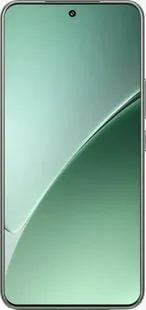
The Motorola Razr Ultra 2026 (2026) runs on the Qualcomm Snapdragon 8 Elite, while the Xiaomi 15 Pro (2025) runs on the Qualcomm Snapdragon 8 Elite; launch prices were $1499 and $771. By overall MobileRank rating, the Xiaomi 15 Pro leads — 83/100 vs 78/100 (a 5-point difference). Key differences: the Xiaomi 15 Pro has the bigger battery (6100 mAh vs 5000); the Motorola Razr Ultra 2026 is faster in AnTuTu (3,379,591 vs 2,995,695); the Motorola Razr Ultra 2026 is thinner (7.2mm vs 8.4mm).
Profile comparison
Category scores
Motorola Razr Ultra 2026
Xiaomi 15 Pro
What makes Motorola Razr Ultra 2026 better?
- Higher AnTuTu: 3379591 vs 2995695
- Better Geekbench Single: 3013 vs 2798
- Higher refresh rate: 165Hz vs 120Hz
- Lighter: 199g vs 213g
- Higher performance (92/100 vs 91/100)
- Better display (95/100 vs 90/100)
- Better portability (68/100 vs 46/100)
What makes Xiaomi 15 Pro better?
- Better Geekbench Multi: 10104 vs 9287
- Bigger battery: 6100 vs 5000 mAh
- Faster charging: 90W vs 68W
- Faster wireless charging: 50W vs 30W
- Cheaper at launch: $771 vs $1499
- Better camera (78/100 vs 60/100)
- Longer battery life (80/100 vs 64/100)
Comparison verdict
Comparing the Motorola Razr Ultra 2026 vs the Xiaomi 15 Pro, the Xiaomi 15 Pro scores 5 points higher (83/100 vs 78/100). In the "camera" category, the Xiaomi 15 Pro leads (78/100 vs 60/100). In the "battery" category, the Xiaomi 15 Pro leads (80/100 vs 64/100). Value score: Motorola Razr Ultra 2026 — 66/100, Xiaomi 15 Pro — 80/100; it shows how far a model sits above or below the usual level for its price, and is not part of the overall rating. In the "performance" category, the Motorola Razr Ultra 2026 and the Xiaomi 15 Pro are nearly equal (92/100 vs 91/100). In the "display" category, the Motorola Razr Ultra 2026 is a bit better (95/100 vs 90/100). In the "camera" category, the Xiaomi 15 Pro notably outperforms the Motorola Razr Ultra 2026 (78/100 vs 60/100). In the "battery" category, the Xiaomi 15 Pro notably outperforms the Motorola Razr Ultra 2026 (80/100 vs 64/100). In the "portability" category, the Motorola Razr Ultra 2026 notably outperforms the Xiaomi 15 Pro (68/100 vs 46/100).
Specs comparison
| Specification | Motorola Razr Ultra 2026 | Xiaomi 15 Pro | |
|---|---|---|---|
| Processor | Qualcomm Snapdragon 8 Elite | Qualcomm Snapdragon 8 Elite | |
| AnTuTu | 3379591 | 2995695 | |
| Geekbench Single | 3013 | 2798 | |
| Geekbench Multi | 9287 | 10104 | |
| Display | 7.0" Foldable LTPO AMOLED | 6.7" LTPO AMOLED | |
| Resolution | 1224x2992 | 3200x1440 | |
| Refresh rate | 165 Hz | 120 Hz | |
| Battery | 5000 mAh | 6100 mAh | |
| Charging | 68W | 90W | |
| Wireless charging | 30W | 50W | |
| Main camera | 50 MP | 50 MP | |
| Ultrawide | 50 MP | 50 MP | |
| Telephoto | 0 MP | 50 MP | |
| Front camera | 50 MP | 32 MP | |
| RAM | 16GB | 12GB / 16GB | |
| Storage | 512GB | 256GB / 512GB / 1TB | |
| OS | Android 16 | Android 15 / HyperOS 2 | |
| Brightness (peak) | 5000 nits | 3200 nits | |
| NFC | yes | yes | |
| Protection | IP48 | IP68 | |
| Dimensions | 171.5×74.0×7.2 mm | 161.3×75.3×8.4 mm | |
| Weight | 199 g | 213 g | |
| Launch price | $1499 | $771 |
Camera comparison
Motorola Razr Ultra 2026
- Main: 50MP f/1.8
- Ultrawide: 50MP
- Front: 50MP
Xiaomi 15 Pro
- Main: 50MP f/1.4
- Ultrawide: 50MP
- Telephoto: 50MP
- Front: 32MP
Display comparison
Motorola Razr Ultra 2026
- 7.0" Foldable LTPO AMOLED
- Resolution: 1224x2992
- Refresh rate: 165 Hz
Xiaomi 15 Pro
- 6.7" LTPO AMOLED
- Resolution: 3200x1440
- Refresh rate: 120 Hz
Battery and charging
Motorola Razr Ultra 2026
- 5000 mAh
- Wired: 68W
- Wireless: 30W
Xiaomi 15 Pro
- 6100 mAh
- Wired: 90W
- Wireless: 50W
Overall performance score
We compared Motorola Razr Ultra 2026 and Xiaomi 15 Pro, covering their specs and all relevant benchmarks.
Motorola Razr Ultra 2026 leads Xiaomi 15 Pro by 12.8% in our overall performance rating.
Benchmarks
Launch prices and where to check today's
Launch price difference: $728. Xiaomi 15 Pro was $728 cheaper at launch.
Detailed category analysis
performance
In the "performance" category, the Motorola Razr Ultra 2026 and the Xiaomi 15 Pro are nearly equal (92/100 vs 91/100).
display
In the "display" category, the Motorola Razr Ultra 2026 is a bit better (95/100 vs 90/100).
camera
In the "camera" category, the Xiaomi 15 Pro notably outperforms the Motorola Razr Ultra 2026 (78/100 vs 60/100).
battery
In the "battery" category, the Xiaomi 15 Pro notably outperforms the Motorola Razr Ultra 2026 (80/100 vs 64/100).
portability
In the "portability" category, the Motorola Razr Ultra 2026 notably outperforms the Xiaomi 15 Pro (68/100 vs 46/100).
Frequently asked questions
Which is better: the Motorola Razr Ultra 2026 or the Xiaomi 15 Pro?
The Xiaomi 15 Pro edges out the Motorola Razr Ultra 2026 by just 5 points — the two devices are very close in overall level.
What is the rating of the Motorola Razr Ultra 2026 and the Xiaomi 15 Pro?
The Motorola Razr Ultra 2026 has a MobileRank rating of 78/100, the Xiaomi 15 Pro — 83/100.
Which has the better camera: the Motorola Razr Ultra 2026 or the Xiaomi 15 Pro?
The Xiaomi 15 Pro leads on camera score (78/100 vs 60/100).
Should you choose the Motorola Razr Ultra 2026 over the Xiaomi 15 Pro?
The Motorola Razr Ultra 2026 is a better fit for gamers and power users. The Xiaomi 15 Pro is a better fit for gamers and power users, those who care about battery life, budget-conscious buyers.