Motorola Razr 60 vs Xiaomi 18 Pro Max
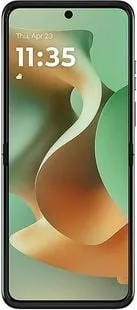
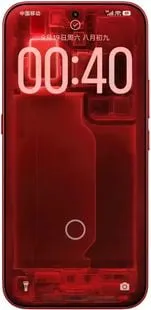
The Motorola Razr 60 (2025) runs on the MediaTek Dimensity 7400X, while the Xiaomi 18 Pro Max (2026) runs on the Qualcomm Snapdragon 8 Elite Extreme Gen 6; launch prices were $700 and $986. By overall MobileRank rating, the Xiaomi 18 Pro Max leads — 92/100 vs 54/100 (a 38-point difference). Key differences: the Xiaomi 18 Pro Max has the bigger battery (8500 mAh vs 4500); the main camera is 50 MP vs 200 MP; the Xiaomi 18 Pro Max is faster in AnTuTu (5,001,234 vs 953,150); the Motorola Razr 60 is noticeably lighter (188g vs 235g).
Profile comparison
Category scores
Motorola Razr 60
Xiaomi 18 Pro Max
What makes Motorola Razr 60 better?
- Lighter: 188g vs 235g
- Cheaper at launch: $700 vs $986
- Better portability (72/100 vs 33/100)
What makes Xiaomi 18 Pro Max better?
- Higher AnTuTu: 5001234 vs 953150
- Better Geekbench Single: 4327 vs 1061
- Better Geekbench Multi: 12873 vs 3185
- Bigger battery: 8500 vs 4500 mAh
- Faster charging: 100W vs 30W
- Better main camera: 200MP vs 50MP
- Faster wireless charging: 50W vs 5W
- Higher performance (100/100 vs 57/100)
- Better camera (100/100 vs 42/100)
- Longer battery life (92/100 vs 41/100)
- Better display (82/100 vs 81/100)
Comparison verdict
Comparing the Motorola Razr 60 vs the Xiaomi 18 Pro Max, the Xiaomi 18 Pro Max scores 38 points higher (92/100 vs 54/100). In the "performance" category, the Xiaomi 18 Pro Max leads (100/100 vs 57/100). In the "camera" category, the Xiaomi 18 Pro Max leads (100/100 vs 42/100). In the "battery" category, the Xiaomi 18 Pro Max leads (92/100 vs 41/100). Value score: Motorola Razr 60 — 22/100, Xiaomi 18 Pro Max — 96/100; it shows how far a model sits above or below the usual level for its price, and is not part of the overall rating. In the "performance" category, the Xiaomi 18 Pro Max significantly outperforms the Motorola Razr 60 (100/100 vs 57/100). In the "display" category, the Xiaomi 18 Pro Max and the Motorola Razr 60 are nearly equal (82/100 vs 81/100). In the "camera" category, the Xiaomi 18 Pro Max significantly outperforms the Motorola Razr 60 (100/100 vs 42/100). In the "battery" category, the Xiaomi 18 Pro Max significantly outperforms the Motorola Razr 60 (92/100 vs 41/100). In the "portability" category, the Motorola Razr 60 significantly outperforms the Xiaomi 18 Pro Max (72/100 vs 33/100).
Specs comparison
| Specification | Motorola Razr 60 | Xiaomi 18 Pro Max | |
|---|---|---|---|
| Processor | MediaTek Dimensity 7400X | Qualcomm Snapdragon 8 Elite Extreme Gen 6 | |
| AnTuTu | 953150 | 5001234 | |
| Geekbench Single | 1061 | 4327 | |
| Geekbench Multi | 3185 | 12873 | |
| Display | 6.9" LTPO OLED | 6.9" LTPO AMOLED | |
| Resolution | 2640x1080 | 1208x2624 | |
| Refresh rate | 120 Hz | 120 Hz | |
| Battery | 4500 mAh | 8500 mAh | |
| Charging | 30W | 100W | |
| Wireless charging | 5W | 50W | |
| Main camera | 50 MP | 200 MP | |
| Ultrawide | 13 MP | 50 MP | |
| Telephoto | 0 MP | 200 MP | |
| Front camera | 32 MP | 50 MP | |
| RAM | 8GB | 12GB / 16GB | |
| Storage | 256GB | 256GB / 512GB / 1TB | |
| OS | Android 15 | Android 17 | |
| Brightness (peak) | 1700 nits | 4000 nits | |
| NFC | yes | yes | |
| Protection | IPX8 | IP68/IP69 | |
| Dimensions | — | 163.4×77.6×8.4 mm | |
| Weight | 188 g | 235 g | |
| Launch price | $700 | $986 |
Camera comparison
Motorola Razr 60
- Main: 50MP f/1.7
- Ultrawide: 13MP
- Front: 32MP
Xiaomi 18 Pro Max
- Main: 200MP f/1.7
- Ultrawide: 50MP
- Telephoto: 200MP
- Front: 50MP
Display comparison
Motorola Razr 60
- 6.9" LTPO OLED
- Resolution: 2640x1080
- Refresh rate: 120 Hz
Xiaomi 18 Pro Max
- 6.9" LTPO AMOLED
- Resolution: 1208x2624
- Refresh rate: 120 Hz
Battery and charging
Motorola Razr 60
- 4500 mAh
- Wired: 30W
- Wireless: 5W
Xiaomi 18 Pro Max
- 8500 mAh
- Wired: 100W
- Wireless: 50W
Overall performance score
We compared Motorola Razr 60 and Xiaomi 18 Pro Max, covering their specs and all relevant benchmarks.
Xiaomi 18 Pro Max leads Motorola Razr 60 by 80.9% in our overall performance rating.
Benchmarks
Launch prices and where to check today's
Launch price difference: $286. Motorola Razr 60 was $286 cheaper at launch.
Detailed category analysis
performance
In the "performance" category, the Xiaomi 18 Pro Max significantly outperforms the Motorola Razr 60 (100/100 vs 57/100).
display
In the "display" category, the Xiaomi 18 Pro Max and the Motorola Razr 60 are nearly equal (82/100 vs 81/100).
camera
In the "camera" category, the Xiaomi 18 Pro Max significantly outperforms the Motorola Razr 60 (100/100 vs 42/100).
battery
In the "battery" category, the Xiaomi 18 Pro Max significantly outperforms the Motorola Razr 60 (92/100 vs 41/100).
portability
In the "portability" category, the Motorola Razr 60 significantly outperforms the Xiaomi 18 Pro Max (72/100 vs 33/100).
Frequently asked questions
Which is better: the Motorola Razr 60 or the Xiaomi 18 Pro Max?
The Xiaomi 18 Pro Max significantly outperforms the Motorola Razr 60 by 38 points (92/100 vs 54/100).
What is the rating of the Motorola Razr 60 and the Xiaomi 18 Pro Max?
The Motorola Razr 60 has a MobileRank rating of 54/100, the Xiaomi 18 Pro Max — 92/100.
Which has the better camera: the Motorola Razr 60 or the Xiaomi 18 Pro Max?
The Xiaomi 18 Pro Max leads on camera score (100/100 vs 42/100).
Which is more powerful: the Motorola Razr 60 or the Xiaomi 18 Pro Max?
The Xiaomi 18 Pro Max leads on performance (100/100 vs 57/100).
Should you choose the Motorola Razr 60 over the Xiaomi 18 Pro Max?
The Xiaomi 18 Pro Max is a better fit for gamers and power users, mobile photography enthusiasts, those who care about battery life, budget-conscious buyers.