Infinix Note 30 5G vs Poco F8
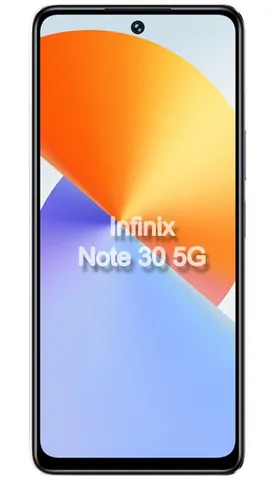
The Infinix Note 30 5G (2023) runs on the MediaTek Dimensity 6080, while the Poco F8 (2026) runs on the Snapdragon 8 Elite. By overall MobileRank rating, the Poco F8 leads — 74/100 vs 47/100 (a 27-point difference). Key differences: the Poco F8 has the bigger battery (8000 mAh vs 5000); the main camera is 108 MP vs 50 MP; the Poco F8 is faster in AnTuTu (3,126,402 vs 573,460).
Profile comparison
Category scores
Infinix Note 30 5G
Poco F8
What makes Infinix Note 30 5G better?
- Better main camera: 108MP vs 50MP
- Better camera (41/100 vs 37/100)
What makes Poco F8 better?
- Higher AnTuTu: 3126402 vs 573460
- Better Geekbench Single: 3013 vs 750
- Better Geekbench Multi: 9287 vs 2020
- Bigger battery: 8000 vs 5000 mAh
- Faster charging: 90W vs 45W
- Higher performance (91/100 vs 44/100)
- Longer battery life (86/100 vs 48/100)
- Better display (90/100 vs 66/100)
- Better portability (54/100 vs 50/100)
Comparison verdict
Comparing the Infinix Note 30 5G vs the Poco F8, the Poco F8 scores 27 points higher (74/100 vs 47/100). In the "performance" category, the Poco F8 leads (91/100 vs 44/100). In the "battery" category, the Poco F8 leads (86/100 vs 48/100). In the "performance" category, the Poco F8 significantly outperforms the Infinix Note 30 5G (91/100 vs 44/100). In the "display" category, the Poco F8 notably outperforms the Infinix Note 30 5G (90/100 vs 66/100). In the "camera" category, the Infinix Note 30 5G and the Poco F8 are nearly equal (41/100 vs 37/100). In the "battery" category, the Poco F8 significantly outperforms the Infinix Note 30 5G (86/100 vs 48/100). In the "portability" category, the Poco F8 and the Infinix Note 30 5G are nearly equal (54/100 vs 50/100).
Specs comparison
| Specification | Infinix Note 30 5G | Poco F8 | |
|---|---|---|---|
| Processor | MediaTek Dimensity 6080 | Snapdragon 8 Elite | |
| AnTuTu | 573460 | 3126402 | |
| Geekbench Single | 750 | 3013 | |
| Geekbench Multi | 2020 | 9287 | |
| Display | 6.8" IPS LCD | 6.6" OLED | |
| Resolution | 1080x2460 | 3200x1440 | |
| Refresh rate | 120 Hz | 120 Hz | |
| Battery | 5000 mAh | 8000 mAh | |
| Charging | 45W | 90W | |
| Main camera | 108 MP | 50 MP | |
| Ultrawide | 0 MP | 8 MP | |
| Front camera | 16 MP | 20 MP | |
| RAM | 4GB / 8GB | 12GB | |
| Storage | 128GB / 256GB | 256GB | |
| OS | Android 13 | Android 16 | |
| Brightness (peak) | 580 nits | — | |
| NFC | yes | — | |
| Dimensions | 168.5×76.5×8.5 mm | — | |
| Weight | 205 g | 205 g | |
| Launch price | — | $499 |
Camera comparison
Infinix Note 30 5G
- Main: 108MP f/1.75
- Front: 16MP
Poco F8
- Main: 50MP f/1.8
- Ultrawide: 8MP
- Front: 20MP
Display comparison
Infinix Note 30 5G
- 6.8" IPS LCD
- Resolution: 1080x2460
- Refresh rate: 120 Hz
Poco F8
- 6.6" OLED
- Resolution: 3200x1440
- Refresh rate: 120 Hz
Battery and charging
Infinix Note 30 5G
- 5000 mAh
- Wired: 45W
- No wireless charging
Poco F8
- 8000 mAh
- Wired: 90W
- Wireless charging: no data
Overall performance score
We compared Infinix Note 30 5G and Poco F8, covering their specs and all relevant benchmarks.
Poco F8 leads Infinix Note 30 5G by 81.7% in our overall performance rating.
Benchmarks
Launch prices and where to check today's
Infinix Note 30 5G
Price unknownDetailed category analysis
performance
In the "performance" category, the Poco F8 significantly outperforms the Infinix Note 30 5G (91/100 vs 44/100).
display
In the "display" category, the Poco F8 notably outperforms the Infinix Note 30 5G (90/100 vs 66/100).
camera
In the "camera" category, the Infinix Note 30 5G and the Poco F8 are nearly equal (41/100 vs 37/100).
battery
In the "battery" category, the Poco F8 significantly outperforms the Infinix Note 30 5G (86/100 vs 48/100).
portability
In the "portability" category, the Poco F8 and the Infinix Note 30 5G are nearly equal (54/100 vs 50/100).
Frequently asked questions
Which is better: the Infinix Note 30 5G or the Poco F8?
The Poco F8 significantly outperforms the Infinix Note 30 5G by 27 points (74/100 vs 47/100).
What is the rating of the Infinix Note 30 5G and the Poco F8?
The Infinix Note 30 5G has a MobileRank rating of 47/100, the Poco F8 — 74/100.
Which is more powerful: the Infinix Note 30 5G or the Poco F8?
The Poco F8 leads on performance (91/100 vs 44/100).
Should you choose the Infinix Note 30 5G over the Poco F8?
The Poco F8 is a better fit for gamers and power users, those who care about battery life.