Huawei Mate 80 Pro Max vs Samsung Galaxy A17 4G
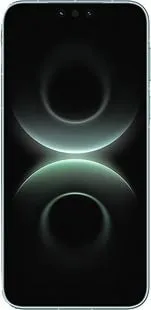
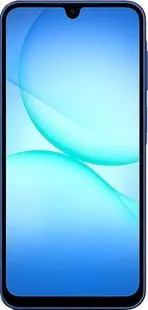
The Huawei Mate 80 Pro Max (2025) runs on the HiSilicon Kirin 9030, while the Samsung Galaxy A17 4G (2025) runs on the MediaTek Helio G99. By overall MobileRank rating, the Huawei Mate 80 Pro Max leads — 74/100 vs 45/100 (a 29-point difference). Key differences: the Huawei Mate 80 Pro Max has the bigger battery (6000 mAh vs 5000); the Huawei Mate 80 Pro Max is faster in AnTuTu (2,101,808 vs 548,631); the Samsung Galaxy A17 4G is noticeably lighter (190g vs 239g).
Huawei Mate 80 Pro Max
Samsung Galaxy A17 4G
- Higher AnTuTu: 2101808 vs 548631
- Better Geekbench Single: 1680 vs 727
- Better Geekbench Multi: 6200 vs 2047
- Bigger battery: 6000 vs 5000 mAh
- Faster charging: 100W vs 25W
- Higher refresh rate: 120Hz vs 90Hz
- Higher performance (77/100 vs 43/100)
- Better camera (68/100 vs 33/100)
- Longer battery life (83/100 vs 44/100)
- Better display (84/100 vs 67/100)
- Lighter: 190g vs 239g
- Better portability (70/100 vs 32/100)
Comparing the Huawei Mate 80 Pro Max vs the Samsung Galaxy A17 4G, the Huawei Mate 80 Pro Max scores 29 points higher (74/100 vs 45/100). In the "performance" category, the Huawei Mate 80 Pro Max leads (77/100 vs 43/100). In the "camera" category, the Huawei Mate 80 Pro Max leads (68/100 vs 33/100). In the "battery" category, the Huawei Mate 80 Pro Max leads (83/100 vs 44/100). In the "performance" category, the Huawei Mate 80 Pro Max significantly outperforms the Samsung Galaxy A17 4G (77/100 vs 43/100). In the "display" category, the Huawei Mate 80 Pro Max notably outperforms the Samsung Galaxy A17 4G (84/100 vs 67/100). In the "camera" category, the Huawei Mate 80 Pro Max significantly outperforms the Samsung Galaxy A17 4G (68/100 vs 33/100). In the "battery" category, the Huawei Mate 80 Pro Max significantly outperforms the Samsung Galaxy A17 4G (83/100 vs 44/100). In the "portability" category, the Samsung Galaxy A17 4G significantly outperforms the Huawei Mate 80 Pro Max (70/100 vs 32/100).
| Specification | Huawei Mate 80 Pro Max | Samsung Galaxy A17 4G | |
|---|---|---|---|
| Processor | HiSilicon Kirin 9030 | MediaTek Helio G99 | |
| AnTuTu | 2101808 | 548631 | |
| Geekbench Single | 1680 | 727 | |
| Geekbench Multi | 6200 | 2047 | |
| Display | 6.9" OLED | 6.7" Super AMOLED | |
| Resolution | 1320x2848 | 1080x2340 | |
| Refresh rate | 120 Hz | 90 Hz | |
| Battery | 6000 mAh | 5000 mAh | |
| Charging | 100W | 25W | |
| Wireless charging | 80W | 0W | |
| Main camera | 50 MP | 50 MP | |
| Ultrawide | 40 MP | 5 MP | |
| Telephoto | 50 MP | 0 MP | |
| Front camera | 13 MP | 13 MP | |
| RAM | 16GB | 4GB / 6GB / 8GB | |
| Storage | 512GB / 1TB | 128GB / 256GB | |
| OS | HarmonyOS 6.0 | Android 15, up to 6 major Android upgrades, One UI 7 | |
| Brightness (peak) | 8000 nits | — | |
| NFC | yes | yes | |
| Protection | IP68 | IP54 | |
| Dimensions | 164.4×79.0×8.3 mm | 164.4×77.9×7.5 mm | |
| Weight | 239 g | 190 g | |
| Launch price | $1050 | — |
Huawei Mate 80 Pro Max
- Main: 50MP f/f/1.4
- Ultrawide: 40MP
- Telephoto: 50MP
- Front: 13MP
Samsung Galaxy A17 4G
- Main: 50MP f/f/1.8
- Ultrawide: 5MP
- Front: 13MP
Huawei Mate 80 Pro Max
- 6.9" OLED
- Resolution: 1320x2848
- Refresh rate: 120 Hz
Samsung Galaxy A17 4G
- 6.7" Super AMOLED
- Resolution: 1080x2340
- Refresh rate: 90 Hz
Huawei Mate 80 Pro Max
- 6000 mAh
- Wired: 100W
- Wireless: 80W
Samsung Galaxy A17 4G
- 5000 mAh
- Wired: 25W
- No wireless charging
We compared Huawei Mate 80 Pro Max and Samsung Galaxy A17 4G, covering their specs and all relevant benchmarks.
Huawei Mate 80 Pro Max leads Samsung Galaxy A17 4G by 283.1% in our overall performance rating.
Samsung Galaxy A17 4G
Price unknownperformance
In the "performance" category, the Huawei Mate 80 Pro Max significantly outperforms the Samsung Galaxy A17 4G (77/100 vs 43/100).
display
In the "display" category, the Huawei Mate 80 Pro Max notably outperforms the Samsung Galaxy A17 4G (84/100 vs 67/100).
camera
In the "camera" category, the Huawei Mate 80 Pro Max significantly outperforms the Samsung Galaxy A17 4G (68/100 vs 33/100).
battery
In the "battery" category, the Huawei Mate 80 Pro Max significantly outperforms the Samsung Galaxy A17 4G (83/100 vs 44/100).
portability
In the "portability" category, the Samsung Galaxy A17 4G significantly outperforms the Huawei Mate 80 Pro Max (70/100 vs 32/100).
Which is better: the Huawei Mate 80 Pro Max or the Samsung Galaxy A17 4G?
The Huawei Mate 80 Pro Max significantly outperforms the Samsung Galaxy A17 4G by 29 points (74/100 vs 45/100).
What is the rating of the Huawei Mate 80 Pro Max and the Samsung Galaxy A17 4G?
The Huawei Mate 80 Pro Max has a MobileRank rating of 74/100, the Samsung Galaxy A17 4G — 45/100.
Which has the better camera: the Huawei Mate 80 Pro Max or the Samsung Galaxy A17 4G?
The Huawei Mate 80 Pro Max leads on camera score (68/100 vs 33/100).
Which is more powerful: the Huawei Mate 80 Pro Max or the Samsung Galaxy A17 4G?
The Huawei Mate 80 Pro Max leads on performance (77/100 vs 43/100).
Should you choose the Huawei Mate 80 Pro Max over the Samsung Galaxy A17 4G?
The Huawei Mate 80 Pro Max is a better fit for active users, those who care about battery life. The Samsung Galaxy A17 4G is a better fit for everyday use.