Huawei Mate 80 Pro Max vs Lenovo Legion Y70 2026
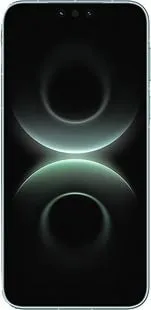
The Huawei Mate 80 Pro Max (2025) runs on the HiSilicon Kirin 9030, while the Lenovo Legion Y70 2026 (2026) runs on the Qualcomm Snapdragon 8 Gen 5; launch prices were $1050 and $420. By overall MobileRank rating, the Lenovo Legion Y70 2026 leads — 76/100 vs 74/100 (a 2-point difference). Key differences: the Lenovo Legion Y70 2026 has the bigger battery (8000 mAh vs 6000); the Lenovo Legion Y70 2026 is faster in AnTuTu (3,377,066 vs 2,101,808); the Lenovo Legion Y70 2026 is noticeably lighter (224g vs 239g).
Profile comparison
Category scores
Huawei Mate 80 Pro Max
Lenovo Legion Y70 2026
What makes Huawei Mate 80 Pro Max better?
- Faster charging: 100W vs 90W
- Better camera (68/100 vs 40/100)
What makes Lenovo Legion Y70 2026 better?
- Higher AnTuTu: 3377066 vs 2101808
- Better Geekbench Single: 2833 vs 1680
- Better Geekbench Multi: 9119 vs 6200
- Bigger battery: 8000 vs 6000 mAh
- Higher refresh rate: 144Hz vs 120Hz
- Lighter: 224g vs 239g
- Cheaper at launch: $420 vs $1050
- Higher performance (92/100 vs 77/100)
- Longer battery life (86/100 vs 83/100)
- Better display (99/100 vs 84/100)
- Better portability (36/100 vs 32/100)
Comparison verdict
Comparing the Huawei Mate 80 Pro Max vs the Lenovo Legion Y70 2026, the Lenovo Legion Y70 2026 scores 2 points higher (76/100 vs 74/100). In the "performance" category, the Lenovo Legion Y70 2026 leads (92/100 vs 77/100). In the "camera" category, the Huawei Mate 80 Pro Max leads (68/100 vs 40/100). Value score: Huawei Mate 80 Pro Max — 58/100, Lenovo Legion Y70 2026 — 78/100; it shows how far a model sits above or below the usual level for its price, and is not part of the overall rating. In the "performance" category, the Lenovo Legion Y70 2026 notably outperforms the Huawei Mate 80 Pro Max (92/100 vs 77/100). In the "display" category, the Lenovo Legion Y70 2026 notably outperforms the Huawei Mate 80 Pro Max (99/100 vs 84/100). In the "camera" category, the Huawei Mate 80 Pro Max notably outperforms the Lenovo Legion Y70 2026 (68/100 vs 40/100). In the "battery" category, the Lenovo Legion Y70 2026 and the Huawei Mate 80 Pro Max are nearly equal (86/100 vs 83/100). In the "portability" category, the Lenovo Legion Y70 2026 and the Huawei Mate 80 Pro Max are nearly equal (36/100 vs 32/100).
Specs comparison
| Specification | Huawei Mate 80 Pro Max | Lenovo Legion Y70 2026 | |
|---|---|---|---|
| Processor | HiSilicon Kirin 9030 | Qualcomm Snapdragon 8 Gen 5 | |
| AnTuTu | 2101808 | 3377066 | |
| Geekbench Single | 1680 | 2833 | |
| Geekbench Multi | 6200 | 9119 | |
| Display | 6.9" OLED | 6.8" LTPO OLED | |
| Resolution | 1320x2848 | 1440x3168 | |
| Refresh rate | 120 Hz | 144 Hz | |
| Battery | 6000 mAh | 8000 mAh | |
| Charging | 100W | 90W | |
| Wireless charging | 80W | — | |
| Main camera | 50 MP | 50 MP | |
| Ultrawide | 40 MP | 8 MP | |
| Telephoto | 50 MP | 0 MP | |
| Front camera | 13 MP | 32 MP | |
| RAM | 16GB | 12GB / 16GB | |
| Storage | 512GB / 1TB | 256GB / 512GB / 1TB | |
| OS | HarmonyOS 6.0 | Android 16 | |
| Brightness (peak) | 8000 nits | — | |
| NFC | yes | — | |
| Protection | IP68 | — | |
| Dimensions | 164.4×79.0×8.3 mm | — | |
| Weight | 239 g | 224 g | |
| Launch price | $1050 | $420 |
Camera comparison
Huawei Mate 80 Pro Max
- Main: 50MP f/1.4
- Ultrawide: 40MP
- Telephoto: 50MP
- Front: 13MP
Lenovo Legion Y70 2026
- Main: 50MP f/1.8
- Ultrawide: 8MP
- Front: 32MP
Display comparison
Huawei Mate 80 Pro Max
- 6.9" OLED
- Resolution: 1320x2848
- Refresh rate: 120 Hz
Lenovo Legion Y70 2026
- 6.8" LTPO OLED
- Resolution: 1440x3168
- Refresh rate: 144 Hz
Battery and charging
Huawei Mate 80 Pro Max
- 6000 mAh
- Wired: 100W
- Wireless: 80W
Lenovo Legion Y70 2026
- 8000 mAh
- Wired: 90W
- Wireless charging: no data
Overall performance score
We compared Huawei Mate 80 Pro Max and Lenovo Legion Y70 2026, covering their specs and all relevant benchmarks.
Lenovo Legion Y70 2026 leads Huawei Mate 80 Pro Max by 37.8% in our overall performance rating.
Benchmarks
Launch prices and where to check today's
Launch price difference: $630. Lenovo Legion Y70 2026 was $630 cheaper at launch.
Detailed category analysis
performance
In the "performance" category, the Lenovo Legion Y70 2026 notably outperforms the Huawei Mate 80 Pro Max (92/100 vs 77/100).
display
In the "display" category, the Lenovo Legion Y70 2026 notably outperforms the Huawei Mate 80 Pro Max (99/100 vs 84/100).
camera
In the "camera" category, the Huawei Mate 80 Pro Max notably outperforms the Lenovo Legion Y70 2026 (68/100 vs 40/100).
battery
In the "battery" category, the Lenovo Legion Y70 2026 and the Huawei Mate 80 Pro Max are nearly equal (86/100 vs 83/100).
portability
In the "portability" category, the Lenovo Legion Y70 2026 and the Huawei Mate 80 Pro Max are nearly equal (36/100 vs 32/100).
Frequently asked questions
Which is better: the Huawei Mate 80 Pro Max or the Lenovo Legion Y70 2026?
The Lenovo Legion Y70 2026 edges out the Huawei Mate 80 Pro Max by just 2 points — the two devices are very close in overall level.
What is the rating of the Huawei Mate 80 Pro Max and the Lenovo Legion Y70 2026?
The Huawei Mate 80 Pro Max has a MobileRank rating of 74/100, the Lenovo Legion Y70 2026 — 76/100.
Which has the better camera: the Huawei Mate 80 Pro Max or the Lenovo Legion Y70 2026?
The Huawei Mate 80 Pro Max leads on camera score (68/100 vs 40/100).
Which is more powerful: the Huawei Mate 80 Pro Max or the Lenovo Legion Y70 2026?
The Lenovo Legion Y70 2026 leads on performance (92/100 vs 77/100).
Should you choose the Huawei Mate 80 Pro Max over the Lenovo Legion Y70 2026?
The Huawei Mate 80 Pro Max is a better fit for active users, those who care about battery life. The Lenovo Legion Y70 2026 is a better fit for gamers and power users, those who care about battery life, budget-conscious buyers.