Fairphone 5 vs Poco M8 Pro
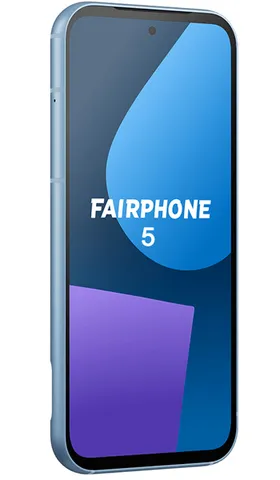
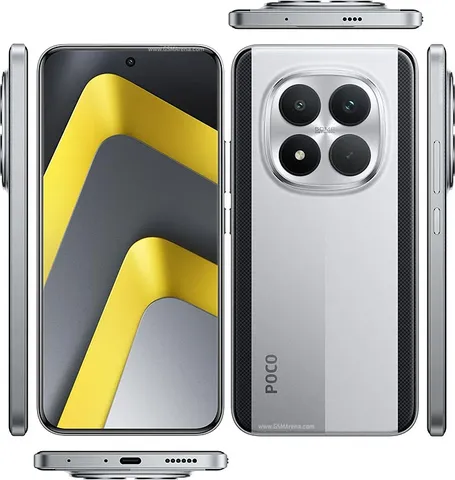
The Fairphone 5 (2023) runs on the Qualcomm QCM6490, while the Poco M8 Pro (2026) runs on the Qualcomm Snapdragon 7s Gen 4. By overall MobileRank rating, the Poco M8 Pro leads — 59/100 vs 47/100 (a 12-point difference). Key differences: the Poco M8 Pro has the bigger battery (6500 mAh vs 4200); the Poco M8 Pro is thinner (8.3mm vs 9.6mm).
Profile comparison
Category scores
Fairphone 5
Poco M8 Pro
What makes Fairphone 5 better?
- Better camera (48/100 vs 40/100)
What makes Poco M8 Pro better?
- Bigger battery: 6500 vs 4200 mAh
- Faster charging: 100W vs 30W
- Higher refresh rate: 120Hz vs 90Hz
- Lighter: 206g vs 212g
- Longer battery life (70/100 vs 28/100)
- Better display (84/100 vs 72/100)
- Better portability (52/100 vs 36/100)
Comparison verdict
Comparing the Fairphone 5 vs the Poco M8 Pro, the Poco M8 Pro scores 12 points higher (59/100 vs 47/100). In the "battery" category, the Poco M8 Pro leads (70/100 vs 28/100). In the "display" category, the Poco M8 Pro is a bit better (84/100 vs 72/100). In the "camera" category, the Fairphone 5 is a bit better (48/100 vs 40/100). In the "battery" category, the Poco M8 Pro significantly outperforms the Fairphone 5 (70/100 vs 28/100). In the "portability" category, the Poco M8 Pro notably outperforms the Fairphone 5 (52/100 vs 36/100).
Specs comparison
| Specification | Fairphone 5 | Poco M8 Pro | |
|---|---|---|---|
| Processor | Qualcomm QCM6490 | Qualcomm Snapdragon 7s Gen 4 | |
| AnTuTu | — | 946831 | |
| Geekbench Single | — | 1223 | |
| Geekbench Multi | — | 3168 | |
| Display | 6.5" OLED | 6.8" AMOLED | |
| Resolution | 1224x2700 | 1280x2772 | |
| Refresh rate | 90 Hz | 120 Hz | |
| Battery | 4200 mAh | 6500 mAh | |
| Charging | 30W | 100W | |
| DXOMark (camera) | 108 | — | |
| Main camera | 50 MP | 50 MP | |
| Ultrawide | 50 MP | 8 MP | |
| Front camera | 50 MP | 32 MP | |
| RAM | 6GB / 8GB | 8GB / 12GB | |
| Storage | 128GB / 256GB | 256GB / 512GB | |
| OS | Android 13, upgradable to Android 14, up to 5 major Android upgrades | Android 15, up to 4 major Android upgrades, HyperOS 2 | |
| Brightness (peak) | 880 nits | 3200 nits | |
| NFC | yes | yes | |
| Protection | IP55 | IP68 | |
| Dimensions | 161.6×75.8×9.6 mm | 163.3×78.3×8.3 mm | |
| Weight | 212 g | 206 g | |
| Launch price | — | $299 |
Camera comparison
Fairphone 5
- Main: 50MP f/1.9
- Ultrawide: 50MP
- Front: 50MP
Poco M8 Pro
- Main: 50MP f/1.6
- Ultrawide: 8MP
- Front: 32MP
Display comparison
Fairphone 5
- 6.5" OLED
- Resolution: 1224x2700
- Refresh rate: 90 Hz
Poco M8 Pro
- 6.8" AMOLED
- Resolution: 1280x2772
- Refresh rate: 120 Hz
Battery and charging
Fairphone 5
- 4200 mAh
- Wired: 30W
- No wireless charging
Poco M8 Pro
- 6500 mAh
- Wired: 100W
- No wireless charging
Benchmarks
Launch prices and where to check today's
Fairphone 5
Price unknownDetailed category analysis
display
In the "display" category, the Poco M8 Pro is a bit better (84/100 vs 72/100).
camera
In the "camera" category, the Fairphone 5 is a bit better (48/100 vs 40/100).
battery
In the "battery" category, the Poco M8 Pro significantly outperforms the Fairphone 5 (70/100 vs 28/100).
portability
In the "portability" category, the Poco M8 Pro notably outperforms the Fairphone 5 (52/100 vs 36/100).
Frequently asked questions
Which is better: the Fairphone 5 or the Poco M8 Pro?
The Poco M8 Pro is noticeably better than the Fairphone 5 — the overall rating gap is 12 points.
What is the rating of the Fairphone 5 and the Poco M8 Pro?
The Fairphone 5 has a MobileRank rating of 47/100, the Poco M8 Pro — 59/100.
Which has the better camera: the Fairphone 5 or the Poco M8 Pro?
The Fairphone 5 leads on camera score (48/100 vs 40/100).
Should you choose the Fairphone 5 over the Poco M8 Pro?
Neither model stands out enough to recommend it for a specific use case: the clearest difference is battery life — better on the Poco M8 Pro (70/100 vs 28/100).