Apple iPhone Air vs Motorola Moto G57 Power

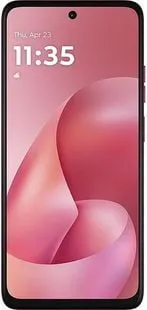
The Apple iPhone Air (2025) runs on the Apple A19 Pro, while the Motorola Moto G57 Power (2025) runs on the Qualcomm Snapdragon 6s Gen 4. By overall MobileRank rating, the Apple iPhone Air leads — 64/100 vs 32/100 (a 32-point difference). Key differences: the Motorola Moto G57 Power has the bigger battery (7000 mAh vs 3149); the main camera is 48 MP vs 50 MP; the Apple iPhone Air is faster in AnTuTu (2,550,000 vs 809,091); the Apple iPhone Air is noticeably lighter (165g vs 210g).
Apple iPhone Air
Motorola Moto G57 Power
- Higher AnTuTu: 2550000 vs 809091
- Better Geekbench Single: 3850 vs 1009
- Better Geekbench Multi: 9800 vs 2892
- Faster charging: 40W vs 33W
- Lighter: 165g vs 210g
- Higher performance (70/100 vs 1/100)
- Better camera (73/100 vs 28/100)
- Better design/ergonomics (93/100 vs 37/100)
- Bigger battery: 7000 vs 3149 mAh
- Better main camera: 50MP vs 48MP
- Longer battery life (53/100 vs 9/100)
- Better value for money (55/100 vs 41/100)
Comparing the Apple iPhone Air vs the Motorola Moto G57 Power, the Apple iPhone Air scores 32 points higher (64/100 vs 32/100). In the "performance" category, the Apple iPhone Air leads (70/100 vs 1/100). In the "camera" category, the Apple iPhone Air leads (73/100 vs 28/100). In the "battery" category, the Motorola Moto G57 Power leads (53/100 vs 9/100). In the "value for money" category, the Motorola Moto G57 Power leads (55/100 vs 41/100). In the "performance" category, the Apple iPhone Air significantly outperforms the Motorola Moto G57 Power (70/100 vs 1/100). In the "display" category, both devices are on the same level — 100/100. In the "camera" category, the Apple iPhone Air significantly outperforms the Motorola Moto G57 Power (73/100 vs 28/100). In the "battery" category, the Motorola Moto G57 Power significantly outperforms the Apple iPhone Air (53/100 vs 9/100). In the "design" category, the Apple iPhone Air significantly outperforms the Motorola Moto G57 Power (93/100 vs 37/100). In the "value for money" category, the Motorola Moto G57 Power is a bit better (55/100 vs 41/100).
| Specification | Apple iPhone Air | Motorola Moto G57 Power | |
|---|---|---|---|
| Processor | Apple A19 Pro | Qualcomm Snapdragon 6s Gen 4 | |
| AnTuTu | 2550000 | 809091 | |
| Geekbench Single | 3850 | 1009 | |
| Geekbench Multi | 9800 | 2892 | |
| Display | 6.5" LTPO Super Retina XDR OLED | 6.7" IPS LCD | |
| Resolution | 2736x1260 | 1080x2400 | |
| Refresh rate | 120 Hz | 120 Hz | |
| Battery | 3149 mAh | 7000 mAh | |
| Charging | 40W | 33W | |
| Wireless charging | 25W | 0W | |
| DXOMark (camera) | 141 | — | |
| Main camera | 48 MP | 50 MP | |
| Ultrawide | 0 MP | 8 MP | |
| Front camera | 12 MP | 8 MP | |
| RAM | 12GB | 8GB / 12GB | |
| Storage | 256GB / 512GB / 1TB | 128GB / 256GB | |
| OS | iOS 26 | Android 16, planned upgrade to Android 17 | |
| Brightness (peak) | — | 1050 nits | |
| NFC | yes | yes | |
| Protection | IP68 | IP64 | |
| Dimensions | 6.0×None×None mm | 166.2×76.5×8.6 mm | |
| Weight | 165 g | 210 g | |
| Price | $999 | — |
Apple iPhone Air
- Main: 48MP f/f/1.6
- Front: 12MP
Motorola Moto G57 Power
- Main: 50MP f/f/1.8
- Ultrawide: 8MP
- Front: 8MP
Apple iPhone Air
- 6.5" LTPO Super Retina XDR OLED
- Resolution: 2736x1260
- Refresh rate: 120 Hz
Motorola Moto G57 Power
- 6.7" IPS LCD
- Resolution: 1080x2400
- Refresh rate: 120 Hz
Apple iPhone Air
- 3149 mAh
- NanoReview test: web browsing 7:48 hrs, total 22:15 hrs
- Wired: 40W
- Wireless: 25W
Motorola Moto G57 Power
- 7000 mAh
- Wired: 33W
- No wireless charging
We compared Apple iPhone Air and Motorola Moto G57 Power, covering their specs and all relevant benchmarks.
Apple iPhone Air leads Motorola Moto G57 Power by 215.2% in our overall performance rating.
Motorola Moto G57 Power
Price unknownperformance
In the "performance" category, the Apple iPhone Air significantly outperforms the Motorola Moto G57 Power (70/100 vs 1/100).
display
In the "display" category, both devices are on the same level — 100/100.
camera
In the "camera" category, the Apple iPhone Air significantly outperforms the Motorola Moto G57 Power (73/100 vs 28/100).
battery
In the "battery" category, the Motorola Moto G57 Power significantly outperforms the Apple iPhone Air (53/100 vs 9/100).
design
In the "design" category, the Apple iPhone Air significantly outperforms the Motorola Moto G57 Power (93/100 vs 37/100).
value for money
In the "value for money" category, the Motorola Moto G57 Power is a bit better (55/100 vs 41/100).
Which is better: the Apple iPhone Air or the Motorola Moto G57 Power?
The Apple iPhone Air significantly outperforms the Motorola Moto G57 Power by 32 points (64/100 vs 32/100).
What is the rating of the Apple iPhone Air and the Motorola Moto G57 Power?
The Apple iPhone Air has a MobileRank rating of 64/100, the Motorola Moto G57 Power — 32/100.
Which has the better camera: the Apple iPhone Air or the Motorola Moto G57 Power?
The Apple iPhone Air leads on camera score (73/100 vs 28/100).
Which is more powerful: the Apple iPhone Air or the Motorola Moto G57 Power?
The Apple iPhone Air leads on performance (70/100 vs 1/100).
Should you choose the Apple iPhone Air over the Motorola Moto G57 Power?
The Apple iPhone Air is a better fit for active users. The Motorola Moto G57 Power is a better fit for everyday use.